

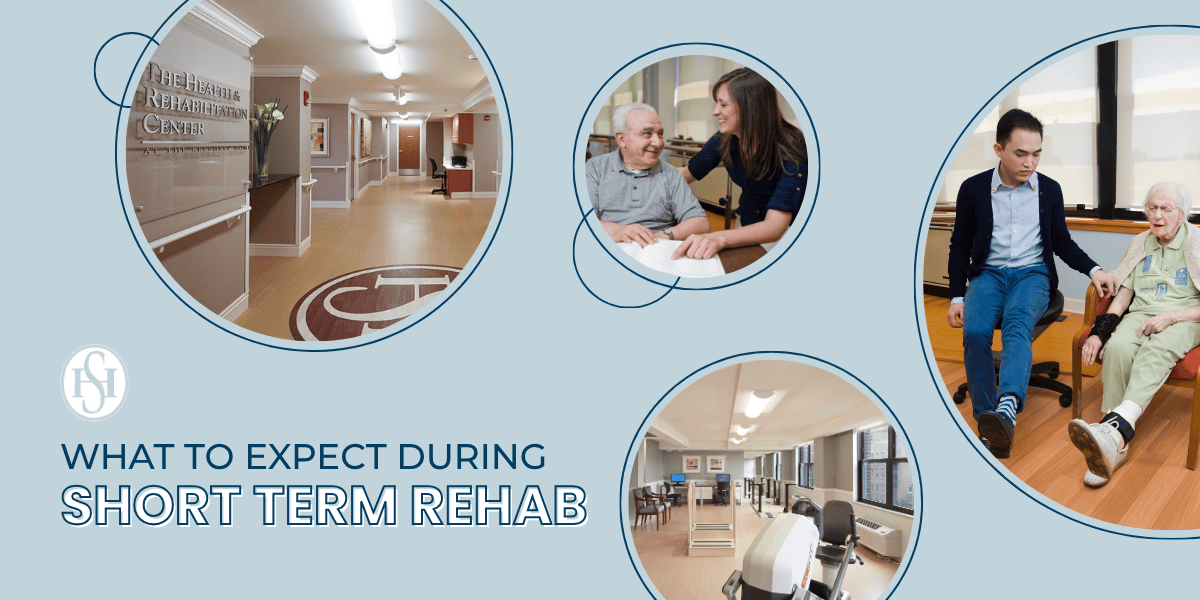
Leaving the hospital can bring a mixture of relief and uncertainty. The worst of your illness, injury or surgery may be behind you, but returning home immediately may feel difficult or unsafe.
A short-term rehabilitation stay provides time and personalized treatment to help you regain strength and prepare for what comes next. Understanding what to expect can make the transition feel more manageable for both patients and their families.
What Is Short-Term Rehabilitation?
Short-term rehabilitation is temporary care for people who need continued medical support or therapy following a hospitalization, surgery, illness or injury.
The primary goal is to help each patient recover as much strength, mobility and independence as possible. Depending on the individual, that may mean walking safely, managing stairs, getting dressed by themselves, improving balance or learning how to use new medical equipment.
Patients may enter short-term rehabilitation after:
- Joint replacement or orthopedic surgery
- A fracture or fall
- A stroke or neurological event
- A cardiac event or procedure
- Pneumonia or another serious illness
- A hospital stay that caused weakness or reduced mobility
- A wound requiring skilled care
- A change in health that makes an immediate return home unsafe
Every recovery follows its own path.
When you come to The Selfhelp Home, your rehabilitation plan will be shaped around your health, abilities, home environment and personal goals.
What Happens When You First Arrive?
Your first day is focused on helping you settle in and giving your care team a complete picture of your needs.
At The Selfhelp Home, the admission process includes assessments from members of an interdisciplinary team. Depending on your needs, this team may include your physician; physical, occupational, and speech therapists; social services; dietary professionals; and rehab leadership.
Throughout these discussions, you may hear the same question about your health, medications, home life and abilities from every team member. Each discipline looks at recovery from a different perspective, and the information helps the team create a coordinated care plan.
Your initial assessments may address:
- Current strength and mobility
- Balance and fall risk
- Pain and symptom management
- Medication needs
- Ability to bathe, dress and use the restroom
- Communication, memory or swallowing concerns
- Nutritional needs
- Medical conditions that require monitoring
- The layout of your home and available support
- The activities you hope to resume
This is your opportunity to tell the team what matters most to you.
Your Individualized Care Plan
Shortly after arrival, your care team will develop a plan based on your assessment, physician’s orders, previous level of function and recovery goals.
At Selfhelp, a care-plan meeting gives patients and their families an opportunity to meet the interdisciplinary team, discuss nursing needs and understand the goals for therapy.
Family members, caretakers, and/or designated representatives are encouraged to participate. Their perspectives can help the team understand the patient’s routines, personality, home environment and support system.
Your care plan may cover:
- Medical and nursing care
- Medication management
- Pain management
- Therapy goals and frequency
- Dietary needs
- Assistance with daily activities
- Equipment that may be needed
- Expected discharge needs
- Follow-up appointments and services
Progress is reviewed throughout the stay, and the plan can change as the patient grows stronger or new needs become clear.
What Types of Therapy Are Offered?
The kind of therapy you receive will depend on your condition and goals. Some patients need one form of therapy, while others benefit from a combination.
Physical therapy
Physical therapy focuses on movement. Exercises and guided activities may be used to improve:
- Strength
- Balance
- Walking
- Flexibility
- Endurance
- Coordination
- Ability to transfer between a bed, chair or standing position
A physical therapist may also help you learn how to use a walker, cane or other mobility aid safely.
Occupational therapy
Occupational therapy helps patients regain the skills used in everyday life. Therapy may involve practicing:
- Getting dressed
- Bathing and grooming
- Preparing food
- Using the restroom
- Getting in and out of bed
- Moving through a kitchen or bathroom
- Completing household activities safely
Selfhelp’s rehabilitation center includes simulated kitchen and bathroom spaces where patients can practice familiar tasks in a supportive environment.
Speech therapy
Speech-language pathologists work with patients who have challenges involving:
- Speech
- Language
- Communication
- Memory and cognition
- Problem-solving
- Swallowing
Speech therapy can be especially important after a stroke, neurological event or illness that has affected communication or the ability to eat safely.
Skilled nursing and specialized care
Some patients may require skilled nursing services such as wound care, IV medications, or monitoring for cardiac and pulmonary conditions.
At Selfhelp, the clinical and rehabilitation teams work together so therapy supports the patient’s broader medical needs.
What Does a Typical Day in Short-Term Rehab Look Like?
Each day is organized around the patient’s care plan. A typical day may include:
- Morning medications and nursing care
- Assistance with dressing or personal care
- Breakfast
- One or more therapy sessions
- Rest between appointments
- Lunch and dinner
- Visits from members of the medical team
- Social or recreational programs
- Time with family and friends
Therapy may take place individually or in a group setting. The timing and length of sessions are based on the patient’s endurance, medical condition and goals.
Each patient’s daily schedule is personalized, and rest remains an important part of recovery.
Some days may feel more productive than others. Fatigue, discomfort and changes in confidence are common during rehabilitation. The care team can adjust activities and help patients work through challenges at an appropriate pace.
How Long Does a Short-Term Rehabilitation Stay Last?
The length of your short-term rehab stay depends on your needs.
Some patients need support for a relatively brief period, while others may benefit from several weeks of therapy and skilled care. The timeline is based on the medical complexity of their case, their goals, and a wide range of other factors.
A patient does not need to reach every possible recovery goal before leaving rehabilitation. The team will focus on whether the next setting can safely support the patient’s current needs.
Families should ask the admissions or business office:
- Which services are covered?
- Are copayments or deductibles expected?
- How will we receive updates about continued coverage?
- Which services or equipment may have an additional cost?
- Who should we contact with insurance questions?
Our guide to qualifying for skilled nursing care provides additional information about eligibility and Medicare requirements.
How Can Family Members Support the Recovery Process?
Family members can play an important role while still allowing the patient to build independence.
Helpful support means participation. That could mean coming to care-plan meetings and sharing information about your loved one’s routines and homelife. It also means staying up-to-date with what skills the therapy team is practicing and learning safe ways to assist with mobility or transfers.
Visits can also provide comfort and encouragement. At the same time, therapy and rest may leave patients more tired than usual. Flexible visits allow recovery to remain the priority.
Life Beyond Therapy
Recovery involves physical work, but a rehabilitation stay still includes opportunities for connection, enjoyment and rest.
As their health and schedule allow, patients at Selfhelp may enjoy activities, lectures, live music, outdoor spaces and time with friends and family.
Meals are also an important part of recovery. Our dietary team evaluates nutritional needs and accommodations may be available for medically necessary or personal dietary preferences.
These everyday moments can make a temporary stay feel more comfortable and help patients remain connected to the interests and traditions that bring them joy.
Discharge Planning Begins Early
Successful rehabilitation includes preparing for the next step. Discharge planning often begins soon after admission, even while the expected timeline is still taking shape.
Throughout your rehabilitation, our care team considers:
- Are you moving around safely?
- Which daily activities are you completing independently?
- How much assistance do you need?
- Which medications will you continue taking?
- Does medical equipment need to be ordered?
- Is additional therapy or care needed?
Before discharge, you and your family will receive clear instructions about medications and necessary equipment, follow-up appointments, home exercises, and any potential warning signs to watch for.
The discharge plan will also include any recommended therapy and nursing services to continue with, plus who to contact with any of your questions.
The next step may include home health services, outpatient therapy, in-home caregiving, respite care or assisted living.
At Selfhelp, our social service team works with you and your families to coordinate a smooth transition. Some patients may also continue their progress through outpatient therapy or another level of care within the Selfhelp community.
Questions to Ask
Open communication can help patients and families feel more confident. If you don’t know what you should be asking, consider some the following:
- What are the primary goals for this stay?
- Which therapies will be part of the care plan?
- How often is progress reviewed?
- How can we help?
- What medical equipment should we have at home?
- Are there home-safety changes we should make?
- Which medications will continue after discharge?
- Will home health or outpatient therapy be recommended?
- Who should we call if questions arise after returning home?
- What milestones will help determine readiness for discharge?
If you have any questions, write them down and bring them up during a care meeting!
Recovering With Care and Confidence
A short-term rehabilitation stay is a bridge between the hospital and the next chapter of recovery. The process involves hard work, patience and collaboration, but patients and families do not have to navigate it alone.
At The Selfhelp Home, rehabilitation takes place in a warm, supportive setting where each patient is treated as an individual. Private suites, personalized therapy, skilled nursing care and thoughtful discharge planning come together to help patients move toward their goals with confidence.
If you or a loved one may need rehabilitation after a hospitalization, surgery or illness, let your hospital discharge planner know that you would like The Selfhelp Home to be considered.
Speak to a Selfhelp advisor or call 773-271-0300 to learn more about short-term rehabilitation, admissions and availability.
This article is intended for general educational purposes. Rehabilitation needs, insurance coverage and recovery timelines vary by individual. Patients and families should consult their healthcare and insurance providers for guidance specific to their circumstances.
